
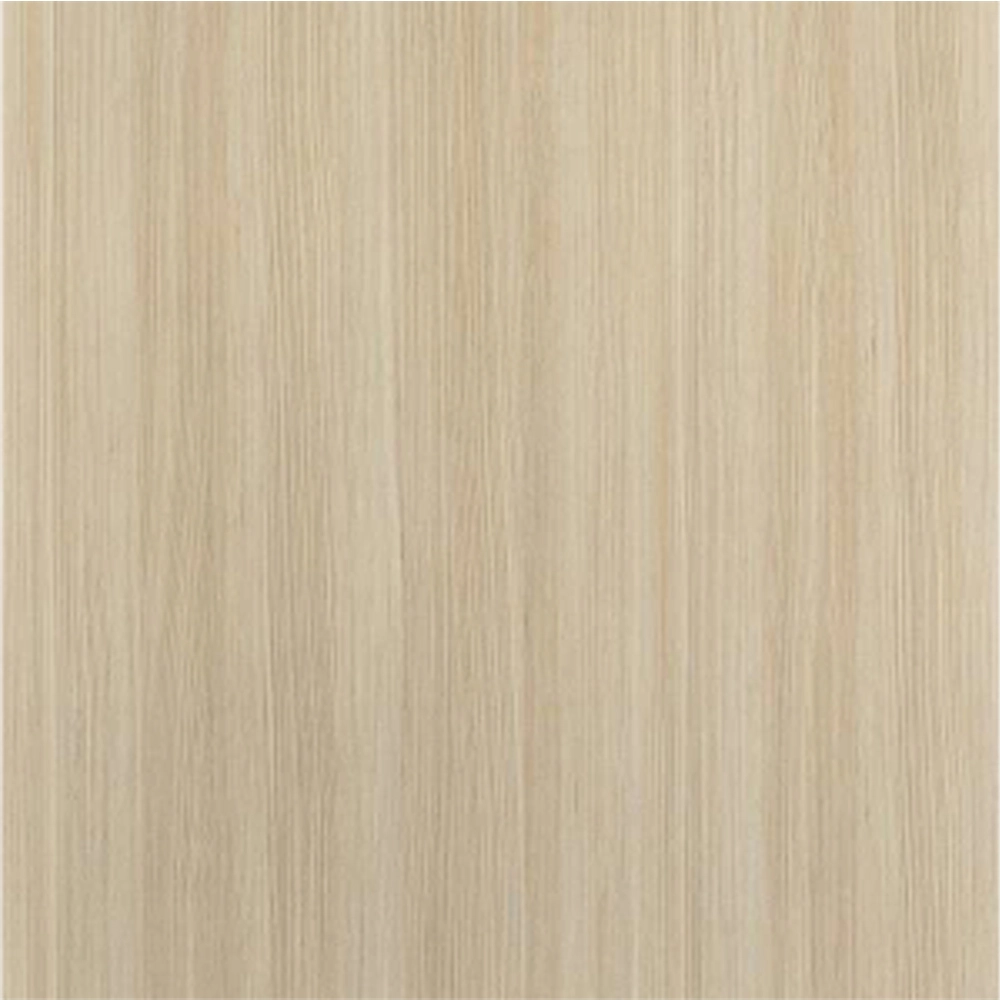
Wood-grain decorative panels
Durable laminate finishing from a trusted supplier of wood veneer panel and wood panel veneer. Precision and quality assured.
View productChoosing a wood veneer panel supplier is a paperwork exercise as much as an aesthetic one: substrate, face caliper, joint pattern, finish and the emissions report all have to line up before a single panel is cut. This guide is written for buyers sourcing wholesale wood veneer panels and takes the published W001 joint-pattern range — natural oak, walnut, ash, teak and maple faces on MDF, HDF, plywood or particleboard — then turns each specification into the decision you have to sign off before releasing a purchase order.
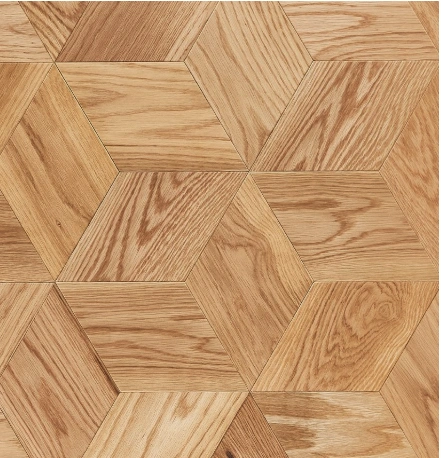
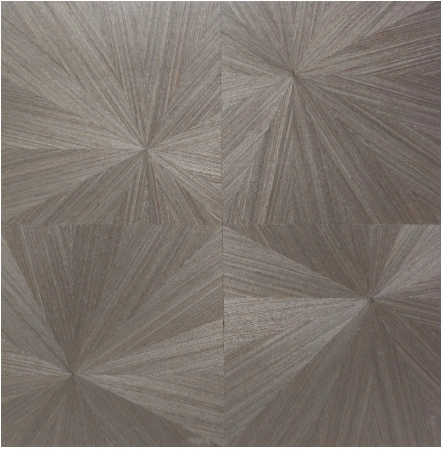
Surface detail from the W001 joint-pattern range. Pattern scale and shade are approved on a physical sample before bulk production.
W001 is a spliced veneer panel: natural wood leaves are aligned and joined onto a stable engineered core so that the grain carries across the joints instead of stopping at them. The build is aimed at designers, fabricators and manufacturers who need large-format decorative surfaces with authentic wood character and the dimensional stability that a solid timber face cannot hold across a full 1220 × 2440 mm sheet.
One reconciled table, one source of truth. Where a figure depends on the build you choose, the row tells you what to lock down in the quotation rather than guessing on site.
| Parameter | Published range | Settle this at RFQ |
|---|---|---|
| Product reference | No. W001; twelve variants listed as W1 – W12 | Which variants map to your species, pattern and finish |
| Base material | MDF / HDF / plywood / particleboard | Core choice by application, weight and fixing method |
| Standard size | 1220 × 2440 mm; custom sizes available | Cut list, edge-trim allowance, custom-size minimums |
| Face veneer | Natural veneer, 0.3 – 0.6 mm | Caliper and tolerance stated in writing |
| Panel build / total thickness | Quoted per substrate build | The exact caliper your joinery detail allows |
| Surface treatment | Sanded, stained, UV-coated or lacquered | Sheen and colour approved on a physical sample |
| Wood species | Oak, walnut, ash, teak, maple | Availability and shade lot for your delivery date |
| Joint patterns | Book match, slip match, random match, herringbone, straight | Pattern scale reviewed at full panel size, not on a phone screen |
| Fire rating | B1, flame-retardant build optional | Whether your project specification requires it |
| Formaldehyde | E0 board; CARB P2 referenced for applicable builds | The test report that applies to the delivered batch |
| Installation | Mechanical fixing, adhesive bonding, glue-on, frame mount | Fixing method, substrate condition and site tolerance |
| Machining | CNC cutting, edge banding, curved installation | A sample machining run before bulk production |
| Maintenance | Wipe with soft cloth and neutral cleaner; avoid prolonged humidity | Cleaning protocol handed to the site or facilities team |
| Minimum order | Quoted per species and pattern | A written MOQ figure on the quotation itself |
Four common wholesale enquiries, each tied to a concrete product fact and the one decision that most often stalls the order.
A mirrored book-match layout gives the symmetry a reception wall is usually designed around, and the natural face keeps the depth that a printed laminate cannot reproduce.
Product factBook match, slip match and random match are all offered on the same core, so the pattern is a specification choice, not a separate product.
Buyer decisionFix the panel module width and the pair count on the elevation before quoting, then approve the pattern at full scale.
Long cabinetry runs and door sets need every panel to look like it came from the same tree, batch after batch — the risk here is shade drift, not pattern complexity.
Product factPanels are machinable by CNC and compatible with edge banding, so the veneer face can meet a machined door edge without a separate process step.
Buyer decisionAsk for a retained shade-lot sample against the delivered batch and agree the edge-banding detail in the same conversation.
Commercial interiors add two requirements that residential work does not: a fire classification the building inspector will accept, and a finish that survives routine cleaning.
Product factB1 is available as an optional flame-retardant build, and UV coating or lacquer are listed surface routes.
Buyer decisionDecide whether B1 is mandatory before the quote, because it changes the board build rather than being added at delivery.
Radiused reception desks and curved wall returns need a veneer face that can follow a form without telegraphing the core or opening a joint.
Product factCurved installation is supported and glue-on or frame mounting are both listed fixing methods.
Buyer decisionSend the radius drawing with the enquiry and ask for the achievable radius and preferred fixing on that specific build.
Pattern choice sets the visual scale of a wall before any finish decision. Use this as a shortlisting tool, then approve the real thing.
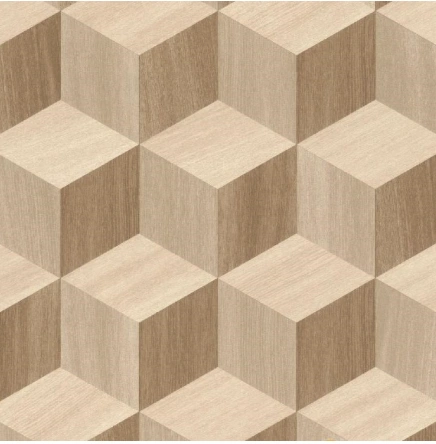
Illustrative surface detail from the W001 gallery. Pattern and shade are only confirmed on a physical sample at full panel size — grain reads very differently across a 2440 mm span than it does on a screen.
Leaves mirrored around a centre line, producing a symmetrical, deliberate figure.
Use for reception walls, lift lobbies and boardroom elevations where the symmetry is the point.
Consecutive leaves slipped rather than mirrored, giving a repeating grain that reads as one continuous run.
Use for long cabinetry runs, wall panelling and door sets where repetition matters more than mirroring.
Mixed leaves assembled for a varied, natural surface without a repeat.
Use for furniture, case goods and lower-visibility panels where uniformity is not the design intent.
Angled arrangement that introduces movement and a directional rhythm across the panel.
Use where the wall itself is the feature and the pattern can carry a whole elevation.
Linear grain running along the panel length, the quietest and most flexible layout.
Use for door facades, panel grids and any elevation that has to sit behind other finishes.
Sanded, stained, UV-coated or lacquered across matte, semi-gloss, open-pore and natural lacquer looks.
Use the finish to control sheen and depth — it changes the read of every pattern above.
Commercial terms for veneer panels move with species, pattern and finish. These are the fields to pin down in writing before you compare two suppliers on price alone.
MOQ is quoted per species and pattern rather than published as a single number. Ask for the MOQ line to appear on the quotation itself, next to the unit price.
1220 × 2440 mm is the standard sheet; custom sizes are available. Send the cut list so waste and edge-trim allowance are priced in from the start.
Customisation is offered for veneer species, joint pattern and finish, across oak, walnut, ash, teak and maple. Bring your drawing or reference sample.
Repeat volume usually improves the per-panel price, but the tier has to be tied to a named species and pattern — a discount against an unnamed build is not comparable.
Where the panel is going into your own product range, confirm branding, packing marks and documentation requirements at enquiry stage, not after production.
Request a physical sample for pattern and shade approval, and ask for a lead-time range in working days from artwork or sample sign-off.
These are the checks any veneer panel buyer should ask for, regardless of supplier. Each one has a matching document or physical test you can request with the quotation.
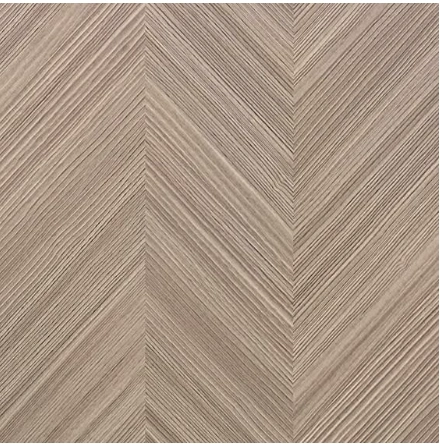
Illustrative panel surface. Retain a signed reference piece for shade-lot comparison against the delivered batch.
Veneer panels rarely fail in the factory; they fail between the factory gate and the fixing date. Settle these points while the quotation is still open, because most of them change the landed cost rather than the unit price.
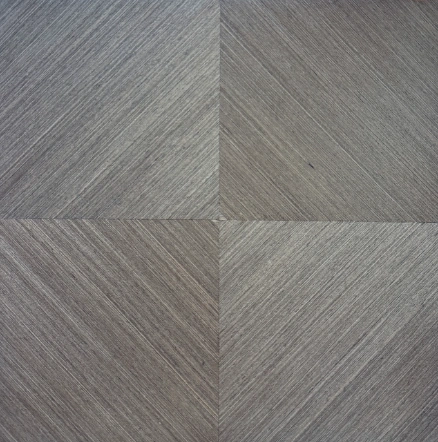
Illustrative panel view. Packing and handling terms are agreed per order.
Include the application, species, joint pattern, finish, panel build, quantities and destination. You get a written quotation covering MOQ, lead time and shipping terms — and a physical sample for approval before anything goes into production.
Keep adjacent product options together for a faster catalog comparison.
Durable laminate finishing from a trusted supplier of wood veneer panel and wood panel veneer. Precision and quality assured.
View product
chuxin metal sheets for custom metal furniture, decorative wall panels and commercial doors, in brushed, mirror, embossed and powder-coated finishes.
View product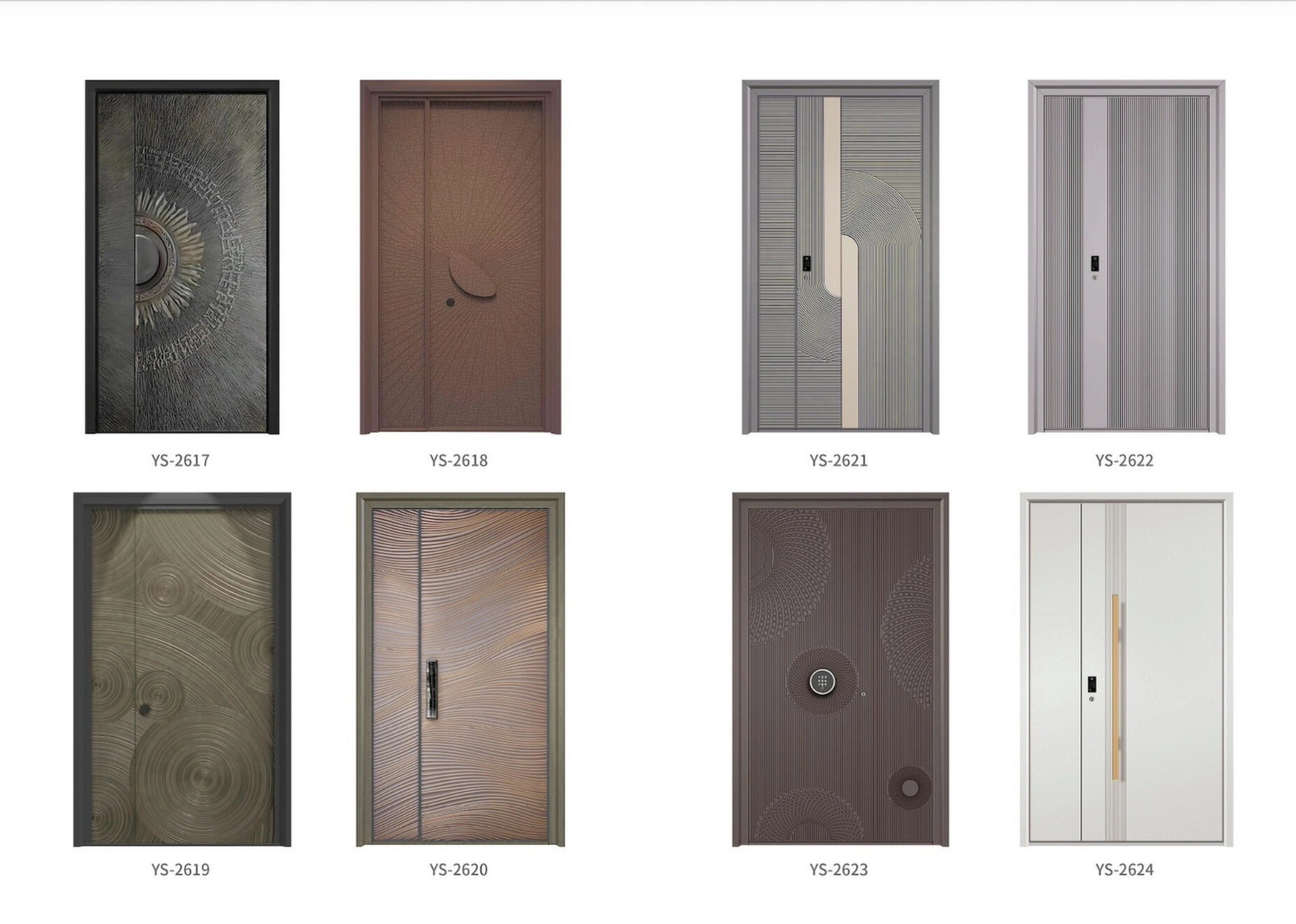
EI30-120 fire-rated cores define our commercial fire rated doors. Engineered for interior decoration and security, our commercial interior doors ensure compliance and durability for professional…
View productthe range lists book match, slip match, random match, herringbone and straight layouts. leaves are aligned so the grain runs continuously across the joints and visible seams are minimised. approve the pattern on a full-scale sample before bulk production, because the visual scale changes completely between a sample and a 1220 × 2440 mm sheet.
panels are built on mdf, hdf, plywood or particleboard. the standard size is 1220 × 2440 mm, with custom sizes available. send your cut list and edge-trim allowance at the quotation stage so the core, size and waste are priced together.
the natural face veneer is listed at 0.3 – 0.6 mm. the finished panel build is quoted per project on the chosen substrate, so confirm the exact caliper your joinery detail allows and ask for that figure in writing on the quotation before you order.
yes. customisation is offered for veneer species, joint pattern and finish, with twelve variant options (w1 – w12) across oak, walnut, ash, teak and maple. minimum order quantity is confirmed per species and pattern, so ask for the moq to be stated on the quotation rather than quoted verbally.
panels suit mechanical fixing, adhesive bonding, glue-on or frame mounting, and can be cnc cut, edge banded or installed on a curve. for maintenance, wipe with a soft cloth and neutral cleaner and avoid prolonged exposure to humidity — that single instruction prevents most of the callbacks on veneer surfaces.
ask for the formaldehyde test report that applies to your board (e0, with carb p2 referenced for applicable builds), confirmation of the b1 flame-retardant build if your project requires it, a signed caliper and finish specification, and a shade-lot reference retained against the delivered batch.